

My Son Can't Do Homework for 2 Minutes. But He Built a 4,000-Piece Lego Set in 8 Hours.
What I learned about AI work by watching my son building Lego

8 Hours vs. 2 Minutes
My 10-year-old son can't sit still for 2 minutes of homework. But last week, he spent 8 hours straight building a 4,000-piece Lego Titanic - a set designed for adults 18+.
That's not a problem with attention. That's a masterclass in metacognition.

Idan is brilliant, but school feels impossible for him. He fidgets. He drifts. Teachers suggest focusing techniques, study schedules, breaking tasks into smaller pieces.
But I watched him that Saturday. No breaks. No fidgeting. No loss of focus. Just pure, sustained engagement with a problem more complex than anything in his curriculum.
The difference wasn't his brain. It was the system.
One system fragmented his thinking into disconnected tasks that didn't build toward anything meaningful. The other gave him a structure that supported exactly how his mind wants to work: modular, visual, with continuous validation that each piece fits.
That's when something clicked. I've been fighting my own thinking patterns when I work with AI - trying to force linear steps instead of working the way my mind actually thinks.
But what if we worked with AI the way he built that Titanic?
What I Finally Saw
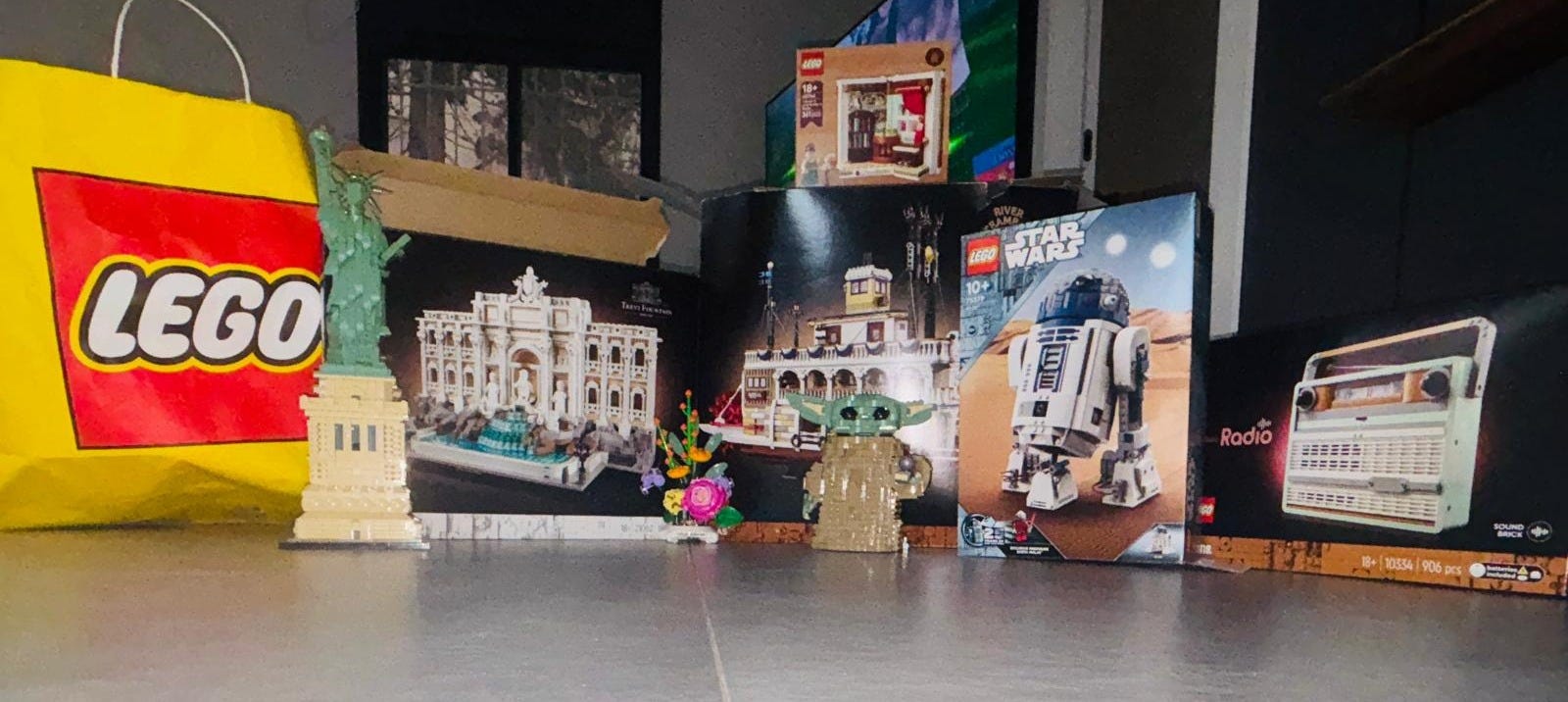
I've spent 20 years architecting complex systems at Intel and AppsFlyer. But it took 6 months of building 9 different Lego models with my kids to recognize what I was seeing.
What I was watching wasn't child's play.
It was expert-level metacognition in action.
Idan wasn't just following instructions. He was constantly stepping back, seeing the bigger picture, then diving into details. Breaking complex problems into manageable pieces. Validating each step before moving forward. Recovering from mistakes without losing the overall structure.
This is exactly how I work when AI and I are in sync.
The System Behind the Focus
Here's what I watched him do:
Break the massive ship into manageable sections
Validate each piece before moving forward
Create anchor points - completed sections to reference and build from
When something didn't fit, trace back calmly and fix without losing the whole structure
Always plan three steps ahead
But here's what stopped me cold: his response to mistakes.
In homework, one wrong answer and he crumbles. Throws the pencil. Declares he's stupid. The whole system breaks down.
With the Titanic? He'd pause, study the instruction manual, trace back three steps, find the misplaced piece, fix it methodically. No drama. No frustration. Just: Oh, that goes there.
That's when I knew I was watching something different.
I break the problem into modules. I validate each step with small prompts. When something doesn't work, I trace back through the conversation, find where it went off track, and rebuild from there. No frustration. Just information.
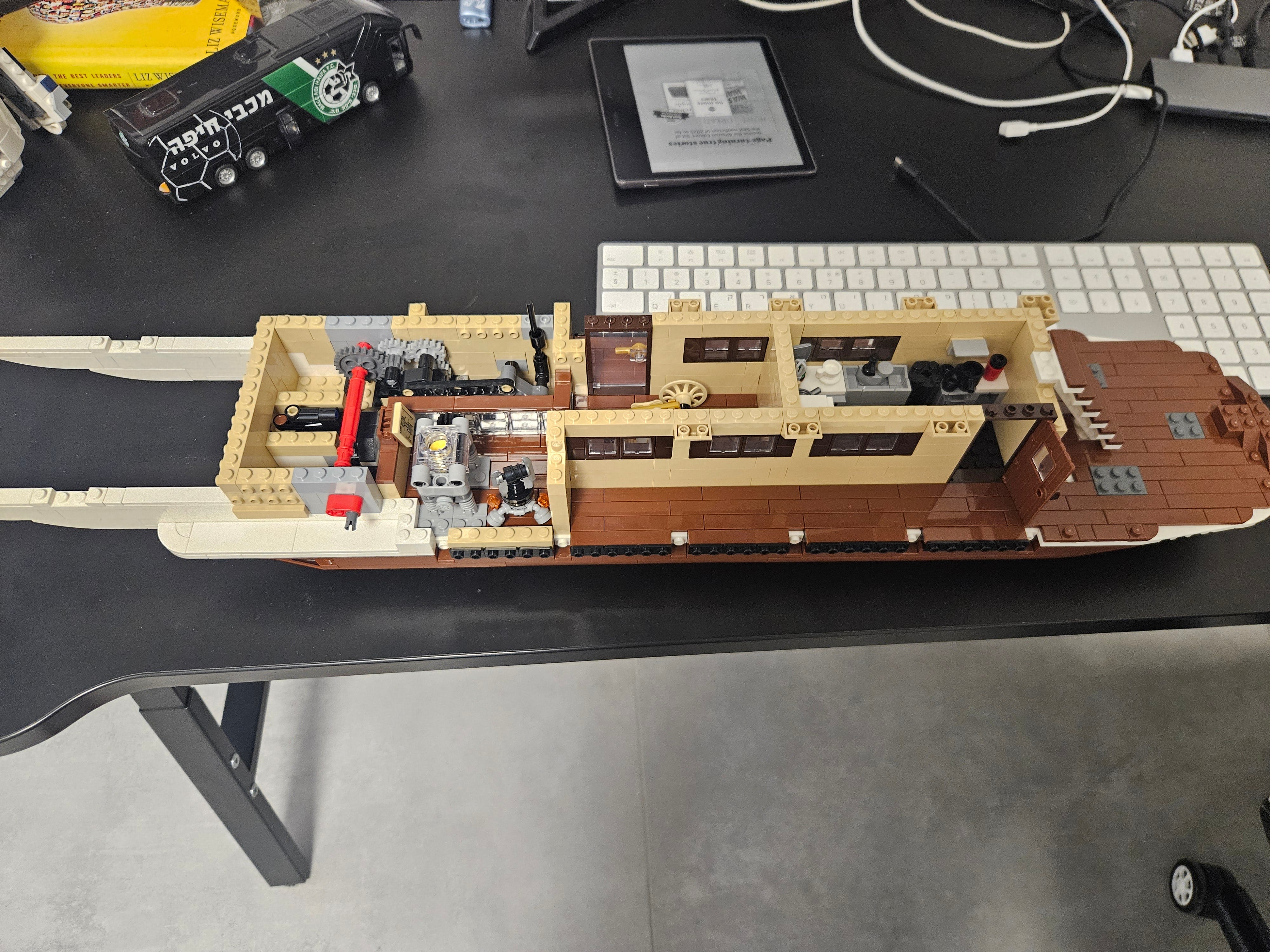
You Already Know This
You already know how to do this.
You've done it every time you tackled something complex that actually engaged you. The only difference is recognizing it and applying it intentionally.
Next time you work with AI, try activating your Lego brain.
Don't fight your natural thinking patterns. Build with them.

As I read one article after another from your substack, I realize you are chasing the same general challenge and finding in simple life metaphors ("stomach", "legos"), no, not just metaphors, actual analogies, the route to explore complex prompting. Do you see a book coming?
I can totally relate to this. There are some tasks that are just painful to make myself do, and then other stuff I get lost in where hours will go by. This is what happens when we engage with activities we're really interested in - it's like magic.